Start the 7-Day Champion Mindset Challenge
Mindset Advice for Young Athletes
What Is Mental Toughness in Sport?
At Champion Mindset Coaching, we help young athletes build the confidence, resilience, and mental toughness needed to thrive in sport and life.
Many parents hear the phrase "mental toughness" and immediately think it means being strong, fearless or never showing emotion.
In reality, mental toughness is something very different.
Mental toughness is the ability to keep going when things become difficult.
It is the ability to:
Stay focused under pressure
Bounce back after mistakes
Remain confident after setbacks
Continue working towards goals
Handle challenges positively
Perform despite nerves and uncertainty

Mental toughness is not something athletes are born with.
It is a skill that can be developed and strengthened over time.
Why Mental Toughness Matters
Talent is important.
Skill is important.
Training is important.
But there will always be moments when athletes face challenges such as:
Losing competitions
Making mistakes
Facing stronger opponents
Injuries
Performance slumps
Self-doubt
Pressure situations
Common Signs Your Child May Need Help Developing
Mental Toughness
Mental toughness helps athletes navigate these moments without losing
confidence or motivation.
You may notice your child:
Gives up easily after mistakes
Becomes frustrated when things go wrong
Loses confidence after losing
Avoids difficult challenges
Worries excessively about results
Struggles to stay motivated
Has difficulty handling pressure

These challenges are common and can be improved with the right mindset skills.
What Mental Toughness Really
Looks Like
Mental toughness starts with belief, which is why confidence coaching for young athletes is often the foundation of long-term success.
Mental toughness is not about being perfect.
It is about learning how to respond when things do not go to plan.
Mentally tough athletes:
Learn from mistakes
Accept setbacks
Stay committed to improvement
Focus on effort rather than outcomes
Take responsibility for their actions
Keep moving forward
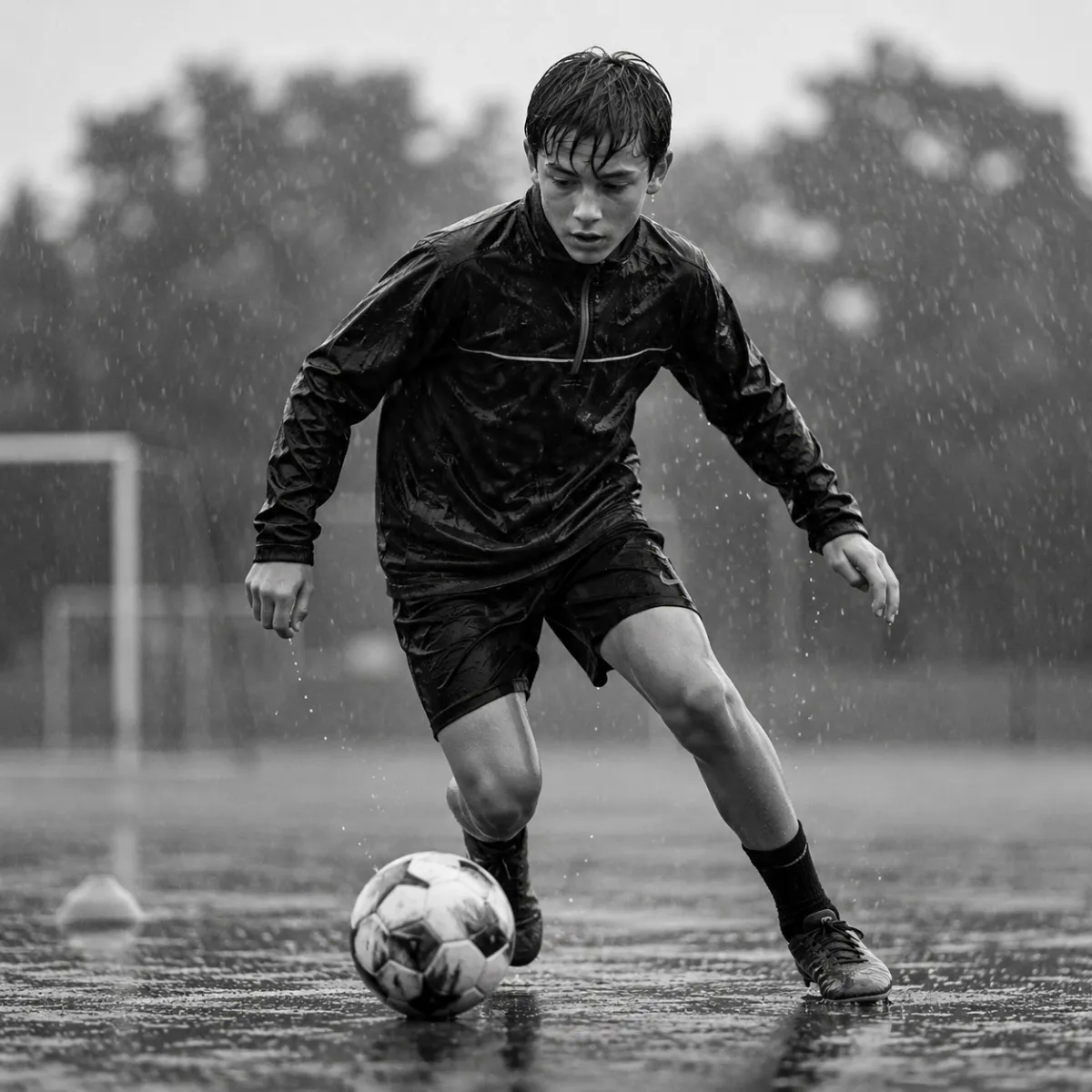
This mindset helps athletes grow both in sport and in life.
Athletes who learn strategies for managing competition nerves and sports anxiety often perform more consistently under pressure.
How Parents Can Help Build Mental Toughness
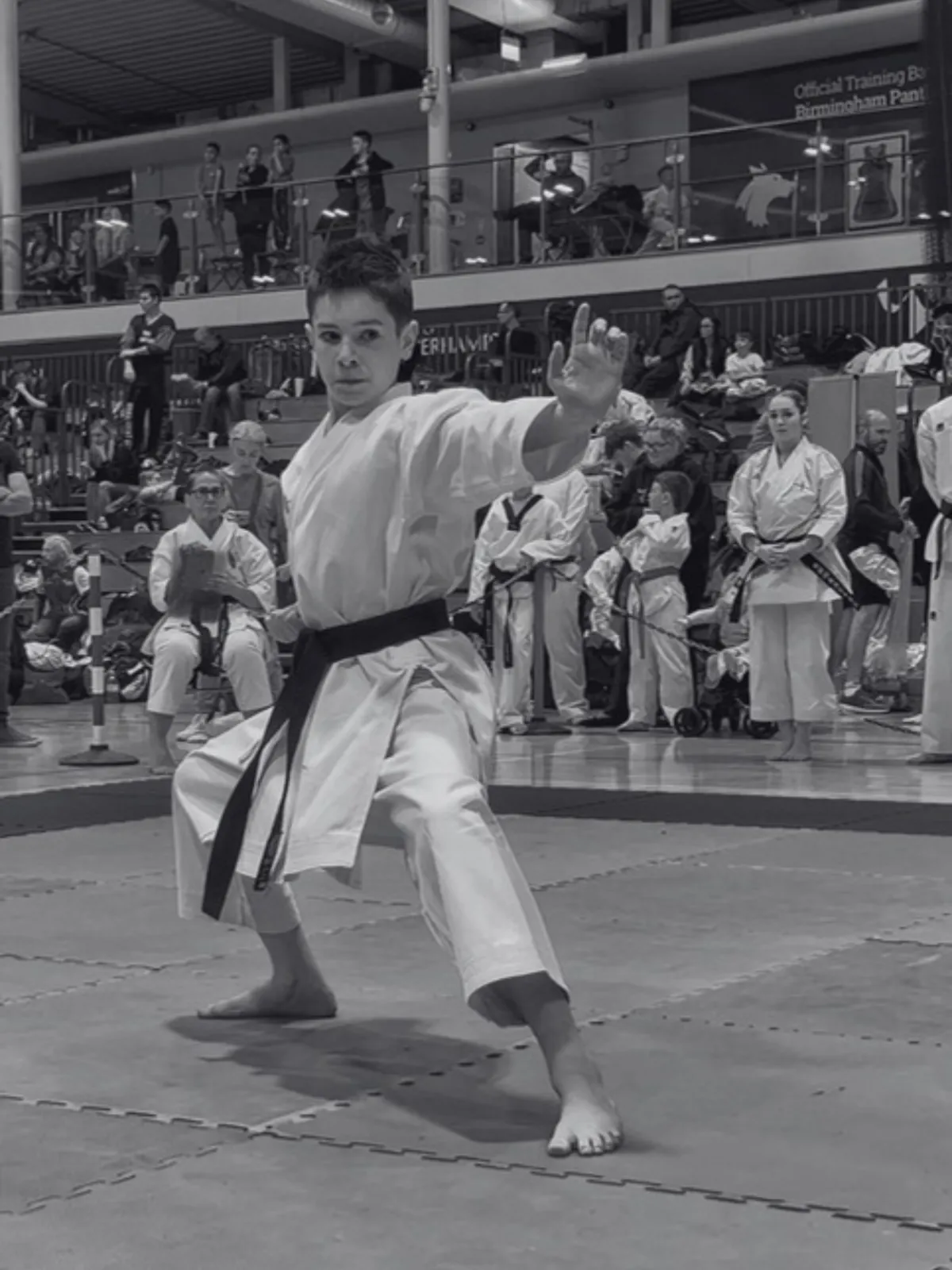
Parents have a huge influence on how young athletes respond to challenges.
Instead of focusing solely on results, try praising:
Effort
Commitment
Improvement
Courage
Learning
Consistency
Questions such as:
"What did you learn today?"
or
"What are you proud of?"
can be far more powerful than focusing only on winning.
Building Mental Toughness Through Mindset Coaching
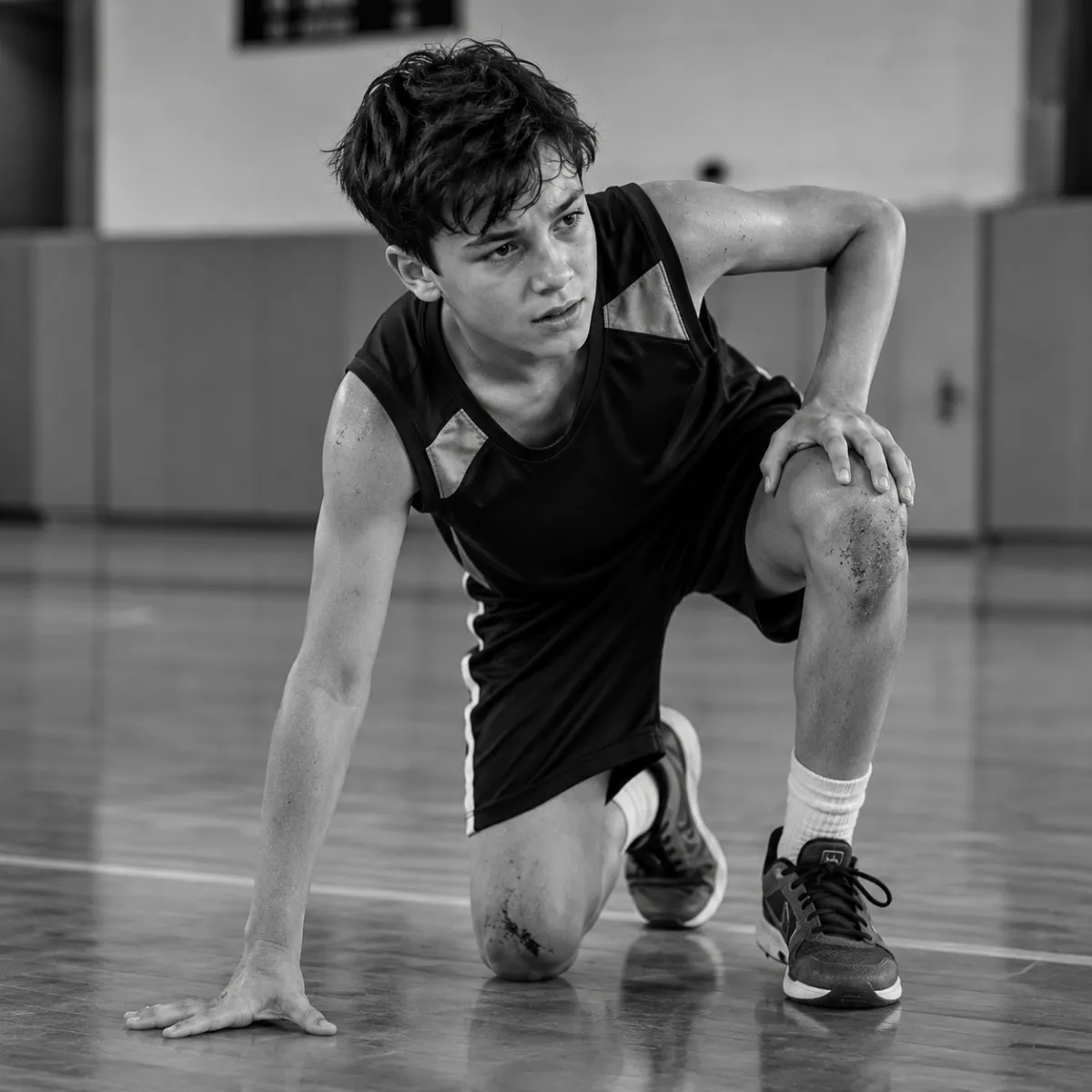
At Champion Mindset, we help young athletes develop the mindset skills needed to handle challenges with confidence.
Areas we focus on include:
Confidence
Learning to trust themselves and their preparation.
Resilience
Recovering quickly after setbacks and disappointments.
Emotional Control
Managing frustration, nerves and pressure.
Focus
Staying present and concentrating on the task at hand.
Discipline
Developing habits and routines that support long-term success.
Lessons From Real Experience
As both a coach and parent, I have seen first-hand that success is never a straight line.
My son Tyler's journey to becoming a 20-time World Champion included challenges, setbacks, losses and moments where resilience mattered just as much as talent.
The athletes who succeed long-term are rarely the ones who never struggle.
They are the ones who learn how to keep moving forward when things become difficult.
Mental Toughness Is a
Life Skill
The benefits of mental toughness extend far beyond sport.
Young athletes who develop resilience often carry those skills into:
School
Relationships
Future careers
Personal development
Sport simply becomes the training ground for building strong character.
Ready to Help Your Child Develop a Champion Mindset?
Mental toughness is not about creating pressure.
It is about helping young athletes build confidence, resilience and the ability to handle life's challenges.
Book a free Champion Mindset Strategy Call and discover how mindset coaching can help your child thrive both in sport and beyond.
FAQ
What is mental toughness in sport?
Mental toughness is the ability to stay focused, resilient and confident when facing challenges, setbacks and pressure situations in sport.
Can mental toughness be developed?
Yes. Mental toughness is a skill that can be strengthened through practice, experience, coaching and the development of positive mindset habits.
Does mental toughness mean never feeling nervous?
No. Even elite athletes experience nerves. Mental toughness is about performing effectively despite nerves, pressure or uncertainty.
How can parents help build mental toughness?
Parents can support mental toughness by praising effort, encouraging learning, focusing on improvement and helping their child develop a positive relationship with challenges and setbacks.
Is mental toughness important outside of sport?
Absolutely. Skills such as resilience, discipline, confidence and emotional control benefit young people throughout school, relationships, careers and everyday life.